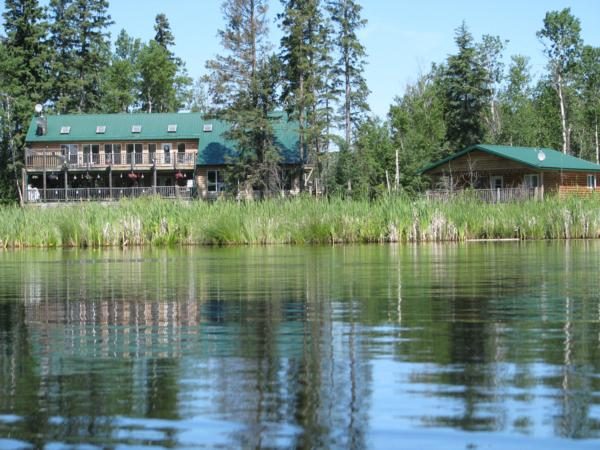
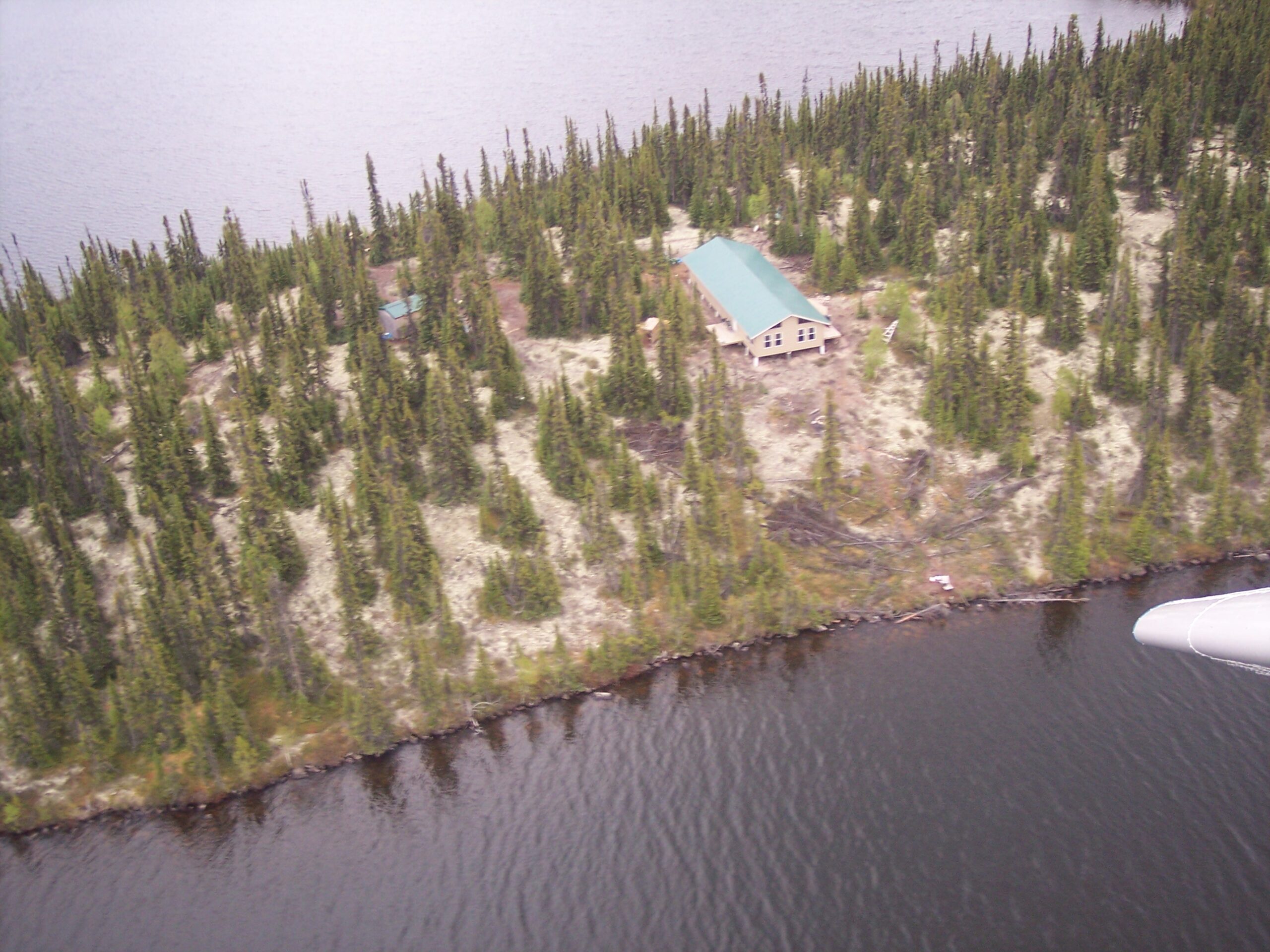
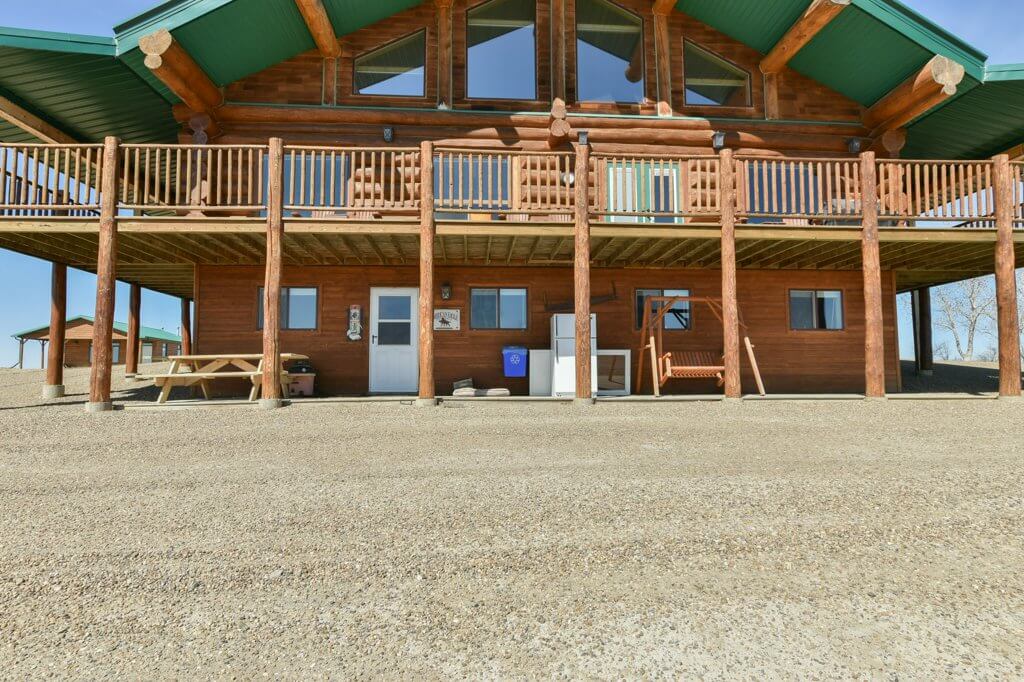
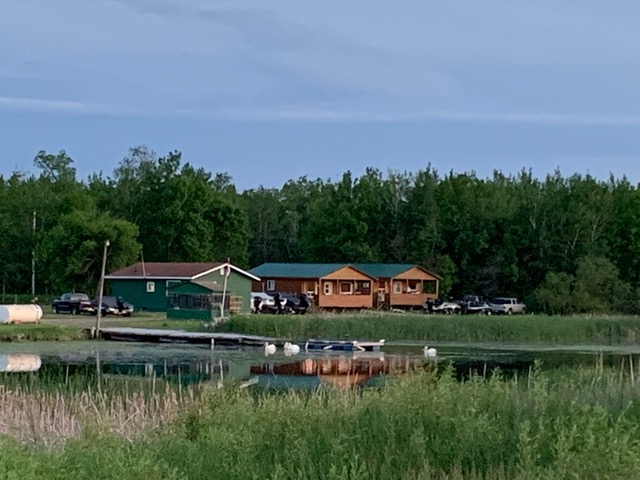
I've been completing lodge and resort appraisals and advisory work since 2016, and the question I get most often from buyers right now is some version of: is this a good time to buy? The honest answer is that it depends entirely on the asset — but the market conditions heading into 2026 are more rational than anything I observed in the 2021–2023 period, when demand surged and some buyers paid prices that were difficult to defend on an income basis.
Reviewing the ownership breakdown across the last 100 lodge and resort assignments I've completed, roughly 84% of Canadian lodges are owner-operated. That tracks with what I see in the inquiry pipeline: the typical buyer is an individual or family purchasing to operate — not a passive investor expecting to hire a manager and clip returns. The income expectations I consistently see from owner-operators are an EBITDA return of 10% to 15% of purchase price on a well-established, viable operation.
What the Transaction Data Actually Shows
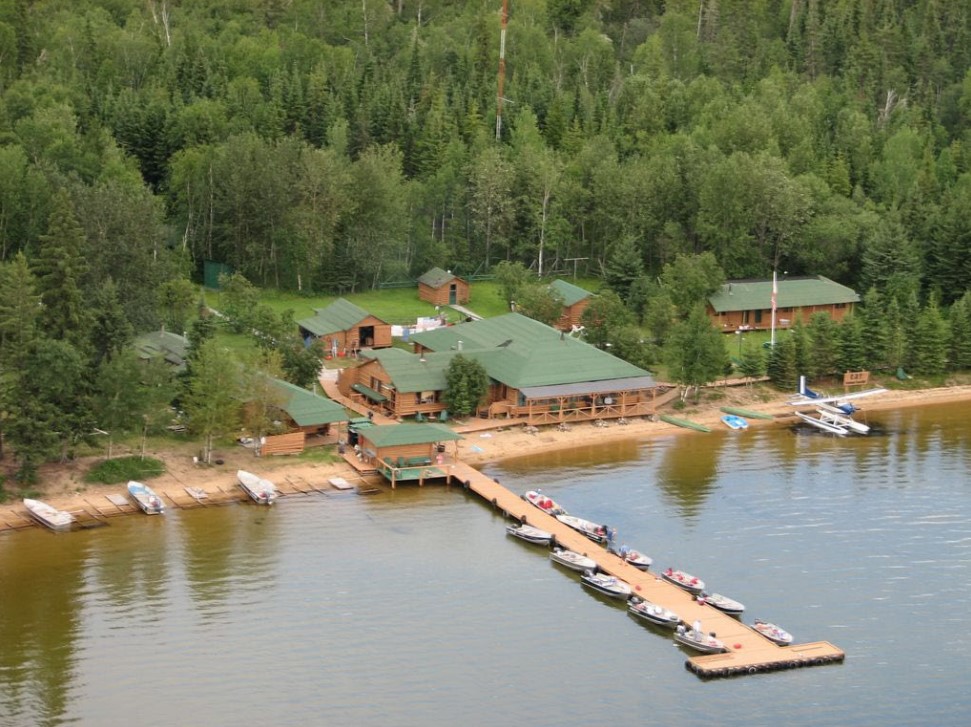
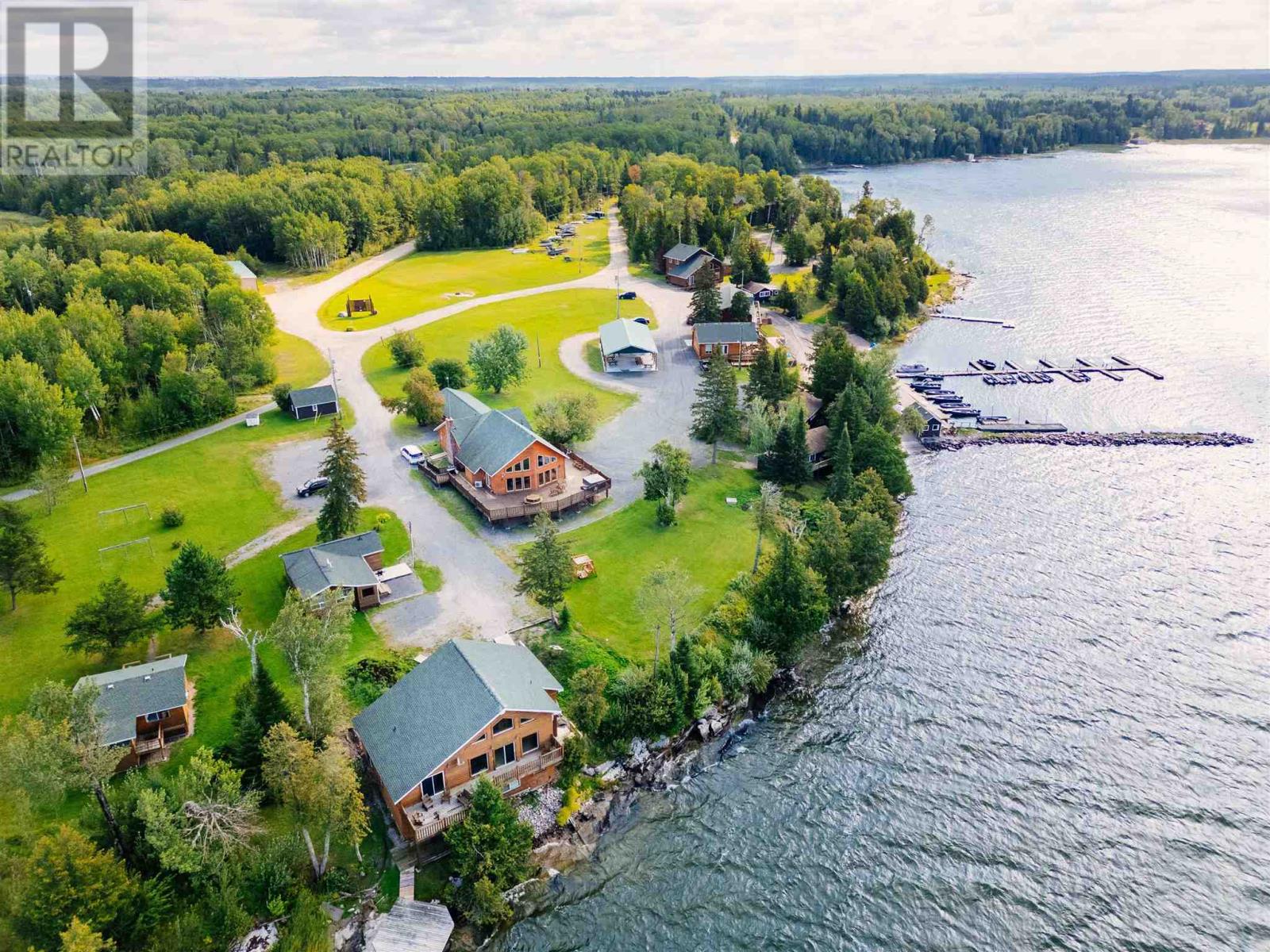
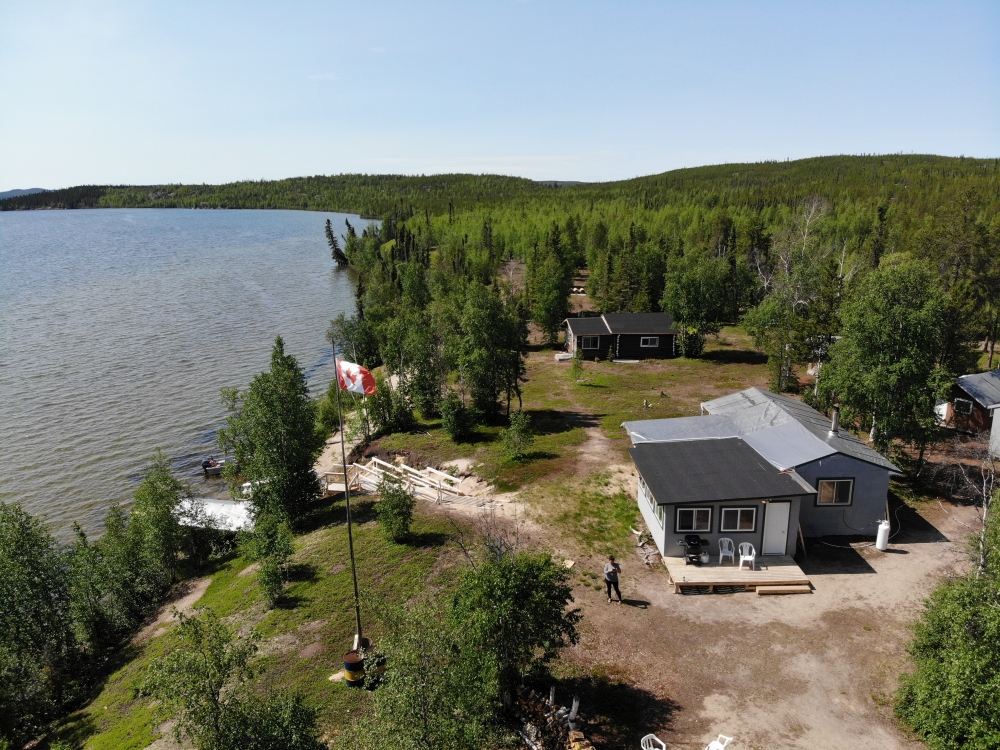
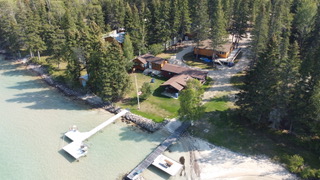
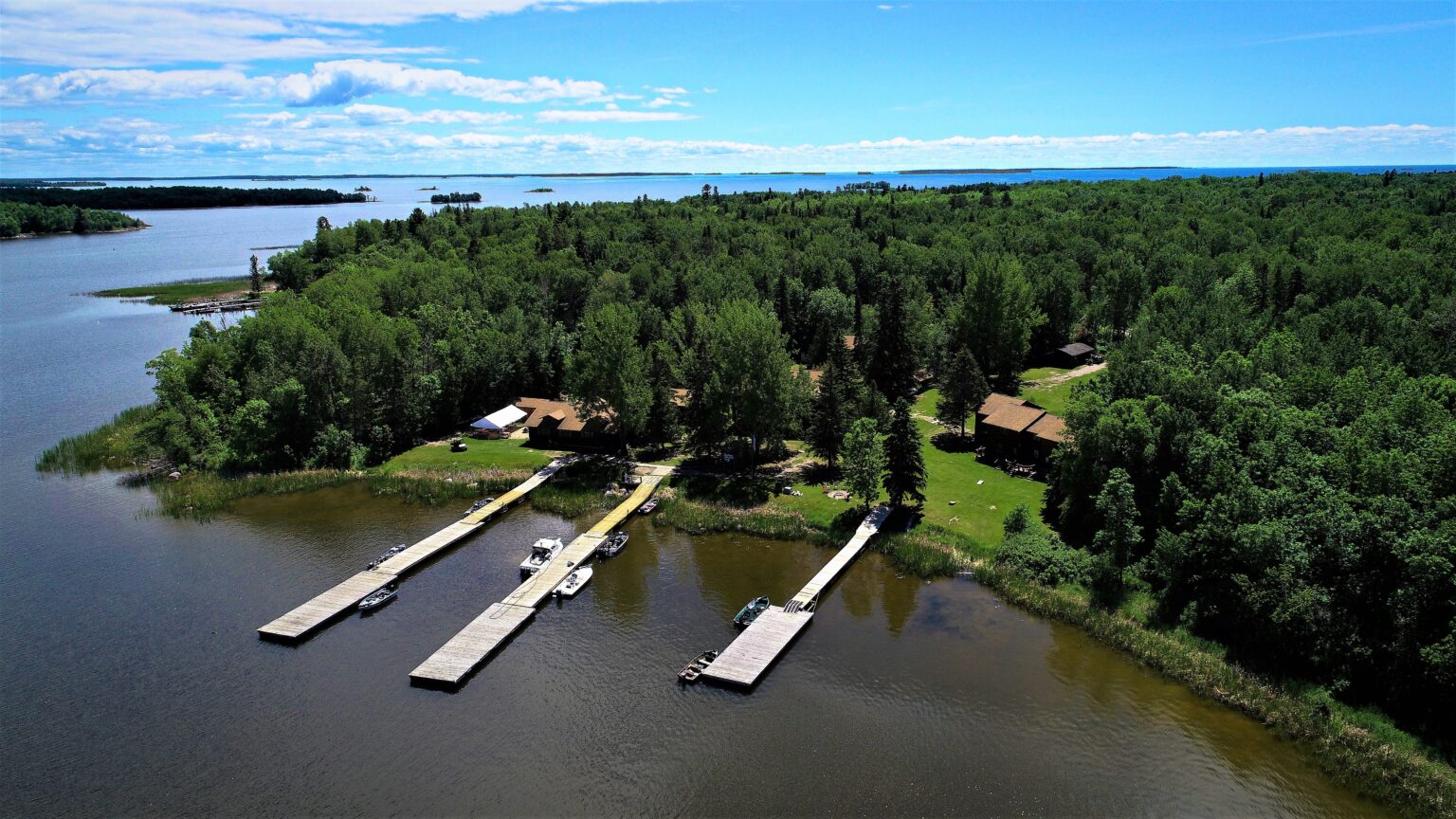
Based on actual lodge and resort sales I've analyzed, gross revenue multipliers (GRM) on completed transactions range from approximately 2.0× at the low end to 6.0× at the high end, with most viable going-concern operations trading somewhere in the middle of that range. Fly-in lodges with strong American Plan revenues tend to trade at the lower end of the GRM range — not because they're worth less, but because their expense ratios are typically higher. Drive-in operations with road access and lower operating costs often command higher multiples, reflecting their reduced risk profile and broader financing eligibility.
One data point that surprises most sellers: across a sample of 100 lodge and resort sales, nearly half sold for less than 87% of asking price, and the most common sale-to-ask ratio landed between 87% and 97%. Overpricing is the single most common mistake I see in this market, and it has a direct consequence — extended marketing periods, buyer fatigue, and eventual price reductions that signal distress to the market. Properties priced accurately from the outset consistently outperform on both time-to-sale and final sale price relative to ask.
What Drives Value in This Asset Class
💰Revenue & EBITDA Track Record
📋Crown Tenure Security
✈️Access Type (Fly-in vs. Road)
🐟Fishery & Game Resource Quality
🏠Cabin Count & Condition
📅Season Length & Diversification
🦌Outfitter Licence / Guiding Rights
📊Repeat Guest Rate & RevPAR
$195K – $8M
Active Listing Price Range (CAD)
Current inventory spans entry-level outpost operations to large-scale four-season resort complexes.
2.00× – 6.00×
Typical Gross Revenue Multiple Range
Going-concern hospitality properties in Canada trade at 2.00x–6.00× stabilized Gross Revenue depending on asset quality, access, and tenure.
BC · ON · SK · MB
Most Active Market Provinces
The majority of lodge and resort transactions occur in these four provinces. Northern territories attract specialty buyers.
12–24 Months
Typical Marketing Period
The buyer pool for specialty hospitality assets is smaller than general commercial real estate. Price it right from the start.
10% – 15%
Typical Owner-Operator Cap Rate Threshold
Owner-operators in this sector generally require an EBITDA return of 10–15% on purchase price for a well-established, viable operation. Higher than conventional commercial real estate — reflecting remoteness, seasonality, and operational complexity.
 OntarioDrive-in