Newfoundland and Labrador's lodge market is built on outfitting. Non-residents can hunt moose, black bear and caribou only through a licensed outfitter, so the outfitting businesses that hold non-resident licence allocations sit at the centre of the province's hunting economy. Salmon and trout camps, remote Labrador fishing lodges and a growing touring market round it out.
Outfitters control non-resident hunting
Non-resident big game licences are only available through licensed outfitters, and non-resident hunters must be accompanied by a licensed guide hired by the outfitter. The province sets the non-resident quota and decides how it's split among outfitters. When the province extended support to outfitters in 2020, the Newfoundland and Labrador Outfitters Association noted that more than 85% of its clients came from the United States.
The moose resource is large
The island of Newfoundland has a 2026 quota of 28,705 moose licences, including 3,930 non-resident licences, and the province added 1,090 licences for the season. For an outfitting business, the number of non-resident licences it's allocated sets the ceiling on its hunting revenue, so the allocation history matters as much as the buildings.
Salmon retention is still allowed
Unlike the Maritime provinces, Newfoundland and Labrador still allows salmon retention. In 2026, anglers can keep a total of two salmon, with a maximum of one on Class 2 rivers, plus three catch-and-release salmon per day, with no retention on Class 0 rivers or non-scheduled waters. That retention opportunity is part of what draws anglers to the province.
Touring demand is steady
Visitors spent an estimated $625.6 million in the province in 2025, up 5%, with nearly 532,000 visitors arriving by plane, ferry or cruise. Forty percent were repeat visitors, and vacation visitors stayed an average of 11 nights or more, which supports cabins, inns and camps that can double as touring accommodation.
What NL lodges and outfitters sell for
Across Canadian lodge and resort sales, gross revenue multipliers run from about 2.0× to 6.0×. Remote and fly-in operations with high logistics costs sit at the low end; well-run outfitters with a reliable allocation and repeat American clients trade higher. Newfoundland and Labrador sale data is thin on this platform, so lean on the business's actual numbers and its allocation history.
What drives value in Newfoundland & Labrador properties
- Non-resident licence allocation & history
- Licensed guides & guide retention
- Repeat US hunting & angling clients
- Salmon river class & access to scheduled waters
- Access: road, ATV, boat or floatplane
- Land tenure for camps & outposts
- EBITDA margin & documented revenue history
- Touring revenue outside hunting season
3,930Non-resident moose licences, island, 2026Part of a total island quota of 28,705. Non-resident licences are only available through licensed outfitters.
$625.6MVisitor spending, 2025Up 5% from 2024, from nearly 532,000 visitors arriving by plane, ferry or cruise.
2 salmon2026 season retention limitMaximum of one on Class 2 rivers, with up to three catch-and-release salmon per day.
85%+Outfitter clients from the USAs noted by the Newfoundland and Labrador Outfitters Association in 2020.
87% – 97%Most common sale-to-ask ratioAcross a Canada-wide sample of 100 lodge and resort sales. Nearly half sold below 87% of asking price.
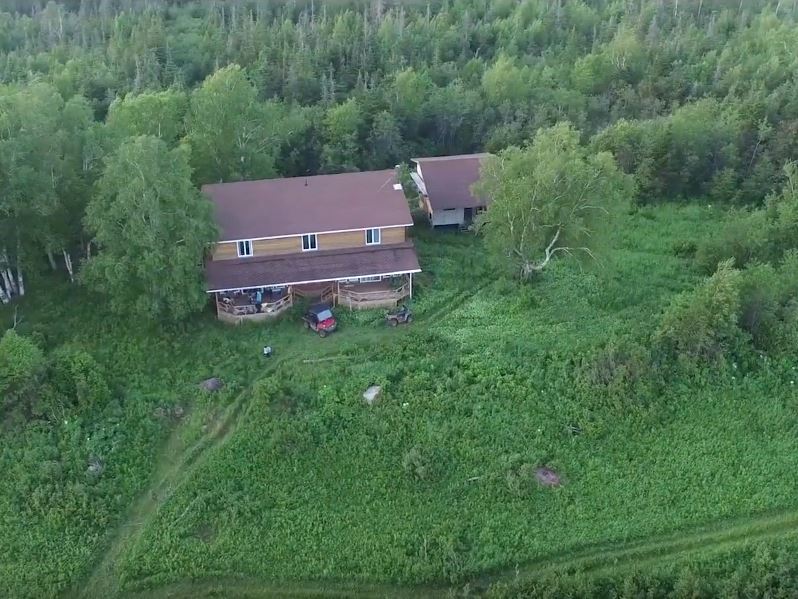 Western NLATV access