The NWT lodge market is small and specialized: fly-in fishing lodges on Great Slave, Great Bear and the barrenland lakes, aurora lodges within reach of Yellowknife, and big game outfitters in the Mackenzie Mountains. Almost everything is fly-in, almost everything sits on leased public land, and every guided operation needs a territorial tourism licence. The two current listings show the range, from a summer-only fishing lodge with its own Twin Otter strip to a year-round aurora and fishing lodge 20 minutes from Yellowknife.
Aurora has become the anchor of NWT tourism
In 2024-25, 35,900 visitors came mainly to see the aurora, up 22% on the year, and spent $42.9 million. For a lodge close enough to Yellowknife to host winter guests, aurora viewing adds a second season that remote summer-only fishing lodges don't have, and that changes the revenue picture considerably.
Fishing and hunting are smaller but high-value
Fishing visitors spent $8.5 million and hunters $5.4 million in 2024-25. The fishery is world-class: Great Bear Lake holds the all-tackle world record lake trout, a 72-pound fish caught in 1995. Overall, the NWT welcomed 75,600 visitors spending $155 million, about 65% of pre-pandemic visitation, with the recovery slowed by wildfire and flooding anxiety after 2023.
Licensing comes with the business
Anyone offering guided commercial tourism in the NWT needs a Tourism Operator Licence, renewed annually. Big game outfitters also need an outfitter licence under the Wildlife Act, and non-NWT residents must hunt big game with a licensed outfitter and guide. In the Mackenzie Mountains, eight licensed outfitters each hold the exclusive right to outfit within their zone.
Most lodges sit on leased public land
Remote NWT lodges are typically on leased public land administered by the GNWT. Lease costs are a live issue: NWT Tourism members have formally raised concerns about steep lease increases for outfitters' outpost cabins. Check the lease term, the current rent and the rent review history before you price an offer.
What NWT lodges sell for
Across Canadian lodge and resort sales, gross revenue multipliers run from about 2.0× to 6.0×. Remote fly-in lodges with high charter and fuel costs and a short season sit at the low end. Lodges close to Yellowknife with lower charter costs, a winter aurora season and documented repeat guests are better placed to trade higher.
What drives value in NWT lodge properties
- Distance & charter cost from Yellowknife
- Winter aurora season vs. summer-only
- Exclusive lake or outfitting zone
- Lease term, rent & renewal history
- Airstrip & aircraft capacity
- Tourism Operator & outfitter licences
- EBITDA margin & documented revenue history
- Wildfire exposure & insurance
$499K – $950KAdvertised NWT asking prices (CAD)Range of priced NWT listings on this page right now.
35,900Aurora visitors, 2024-25Up 22% year over year, spending $42.9 million, the largest leisure segment in the NWT.
$155MNWT visitor spending, 2024-25From 75,600 visitors, up 5% year over year.
72 lbWorld record lake trout, Great Bear LakeThe all-tackle world record, caught on Great Bear Lake in 1995.
87% – 97%Most common sale-to-ask ratioAcross a Canada-wide sample of 100 lodge and resort sales. Nearly half sold below 87% of asking price.
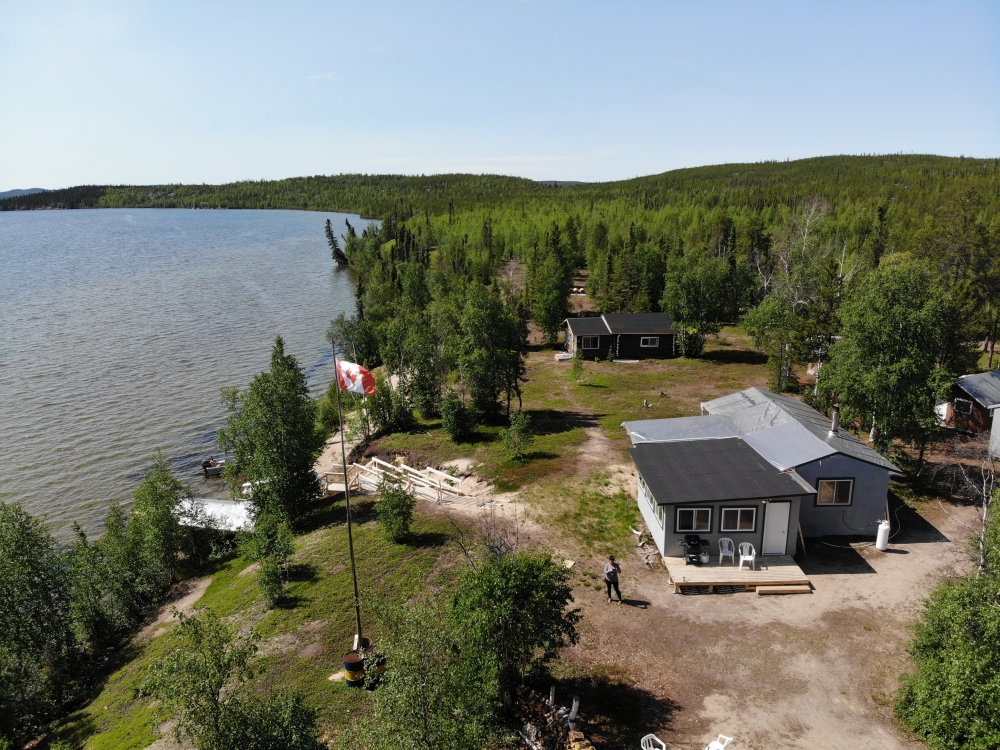 Remote NWTFly-in
