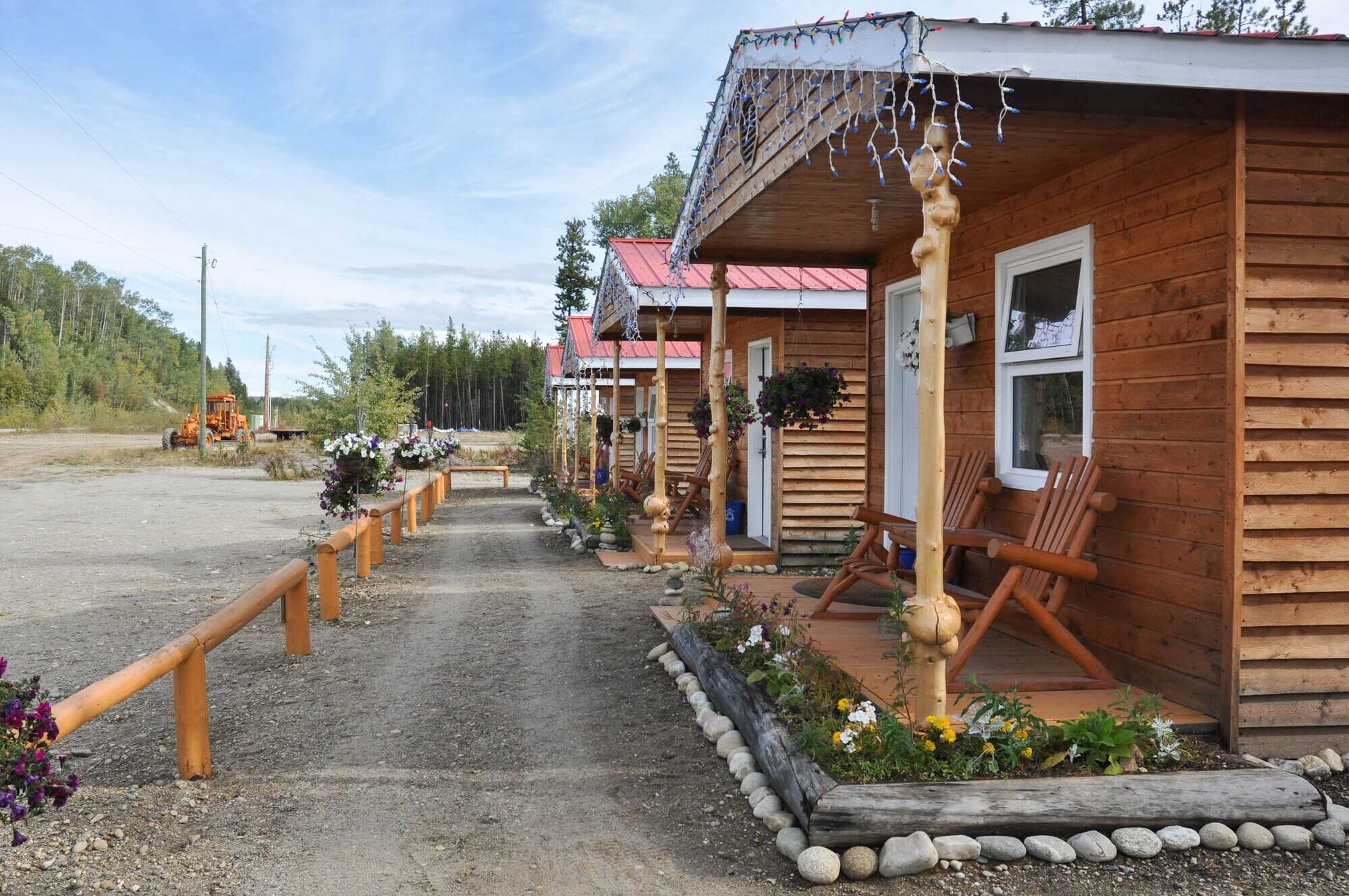
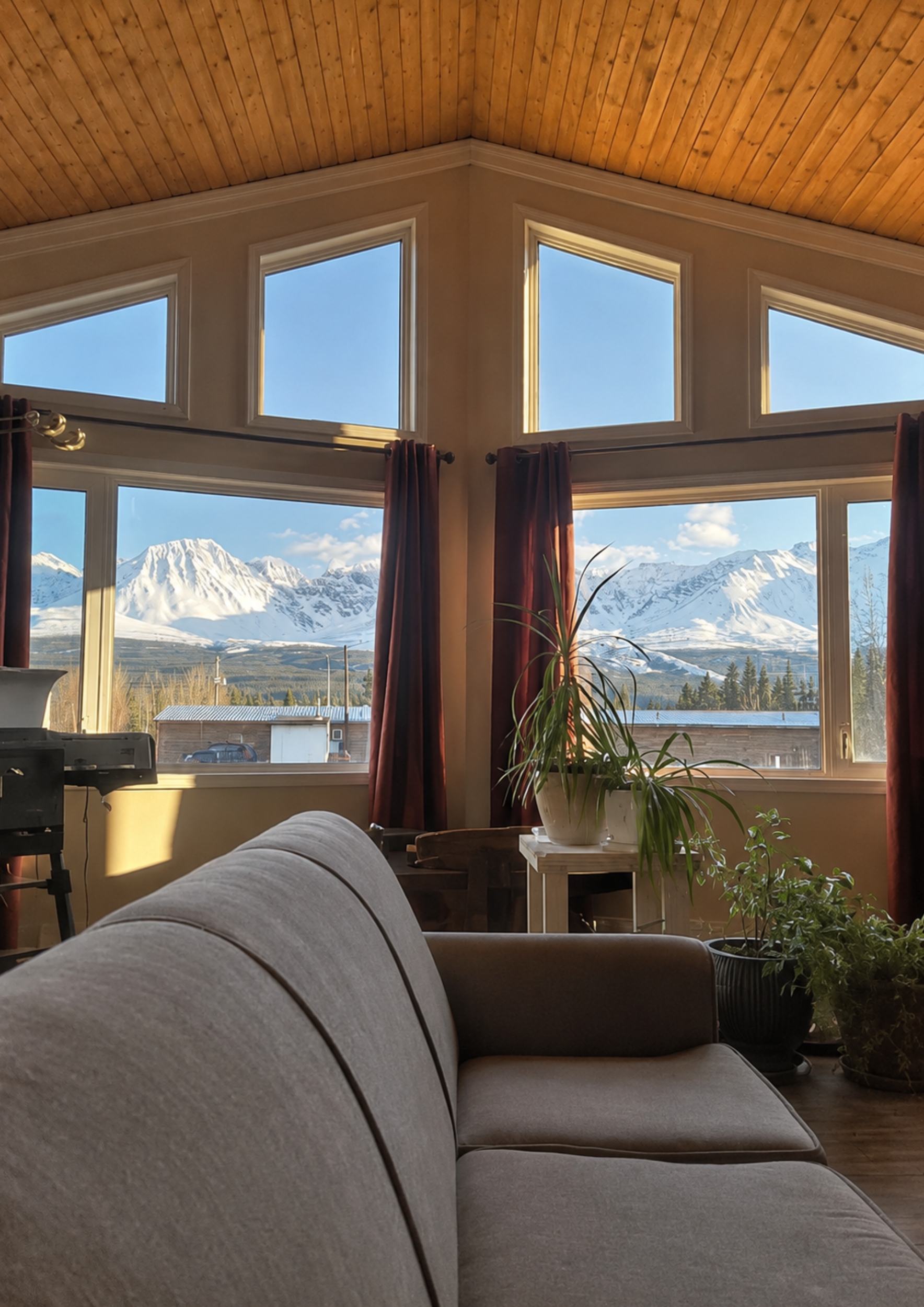
The Yukon market has two very different halves. Along the Alaska Highway, drive-in resorts, motels and park-gateway properties around Watson Lake, Whitehorse and Haines Junction trade much like rural hospitality real estate elsewhere. In the backcountry, remote lodges and big game outfitting businesses trade on things you can't build: an outfitting concession, longstanding land tenure and an established client base.
Visitor demand is well above pre-pandemic levels
The Yukon welcomed an estimated 574,000 visitors in 2024, up 8.9% on 2023 and 5.7% above 2019, and total direct visitor spending reached $389.9 million. 2025 was mixed: airport arrivals hit a record 244,300, up 8.2%, while estimated visitor spending eased 13.7% to $336.6 million, still 18% above 2019. Buyers should underwrite on the trend, not on 2024's peak.
Outfitting concessions are a fixed, exclusive asset
The Yukon has 20 outfitting concessions, one per licensed outfitter, and each holder has the exclusive right to guide non-residents for big game in that area. Non-residents must hunt big game with either a commercial outfitter or a Yukon resident guiding them for free under a special guide licence. Demand is strong: outfitters were issued 675 non-resident hunting licences in 2022, the most to date. With the number of concessions fixed, a concession is often the most valuable part of an outfitting business.
New remote sites are hard to come by
The Yukon's two public land acts haven't been reviewed in detail since the 1980s, and the government is writing a new Public Lands Act to replace them. The existing big game outfitter land policy leases land for longstanding sites that existed before devolution, but doesn't provide for brand new sites. For buyers, that makes an existing, properly tenured remote site difficult to replicate, which supports its value.
What Yukon properties sell for
Across Canadian lodge and resort sales, gross revenue multipliers run from about 2.0× to 6.0×. Alaska Highway properties are valued largely on land, buildings, highway exposure and their documented revenue. Outfitting businesses are valued on the concession, quotas, tenure and client history, often more than on the camps themselves.
What drives value in Yukon properties
- Outfitting concession & species quotas
- Land tenure for base camps & outposts
- Alaska Highway exposure & access
- Proximity to Kluane & park gateways
- Settlement Land on or near the property
- Wilderness tourism licence & trip history
- EBITDA margin & documented revenue history
- Season length & winter revenue
$595K – $970KAdvertised Yukon asking prices (CAD)Range of priced Yukon listings on this page right now.
574,000Estimated Yukon visitors, 2024Up 8.9% on 2023 and 5.7% above 2019. Airport arrivals reached a record 244,300 in 2025.
$389.9MTotal direct visitor spending, 2024Spending eased to an estimated $336.6 million in 2025, still 18% above 2019.
20Yukon outfitting concessionsOne outfitter per concession, each with the exclusive right to guide non-residents for big game.
87% – 97%Most common sale-to-ask ratioAcross a Canada-wide sample of 100 lodge and resort sales. Nearly half sold below 87% of asking price.
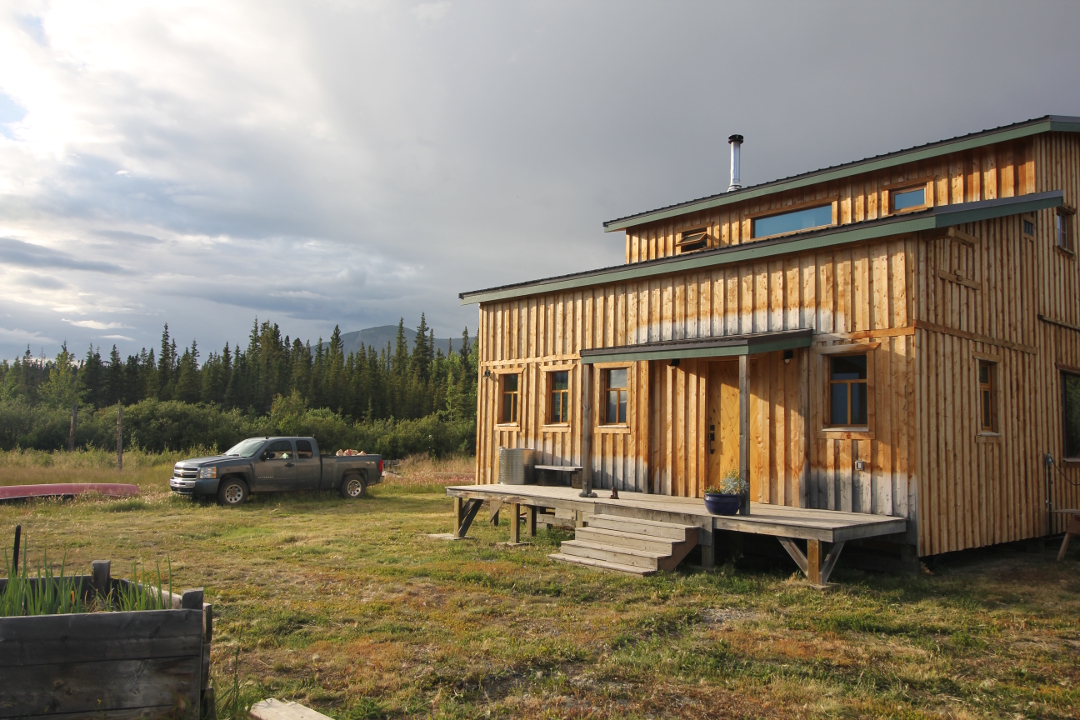 Kluane & SWDrive-in