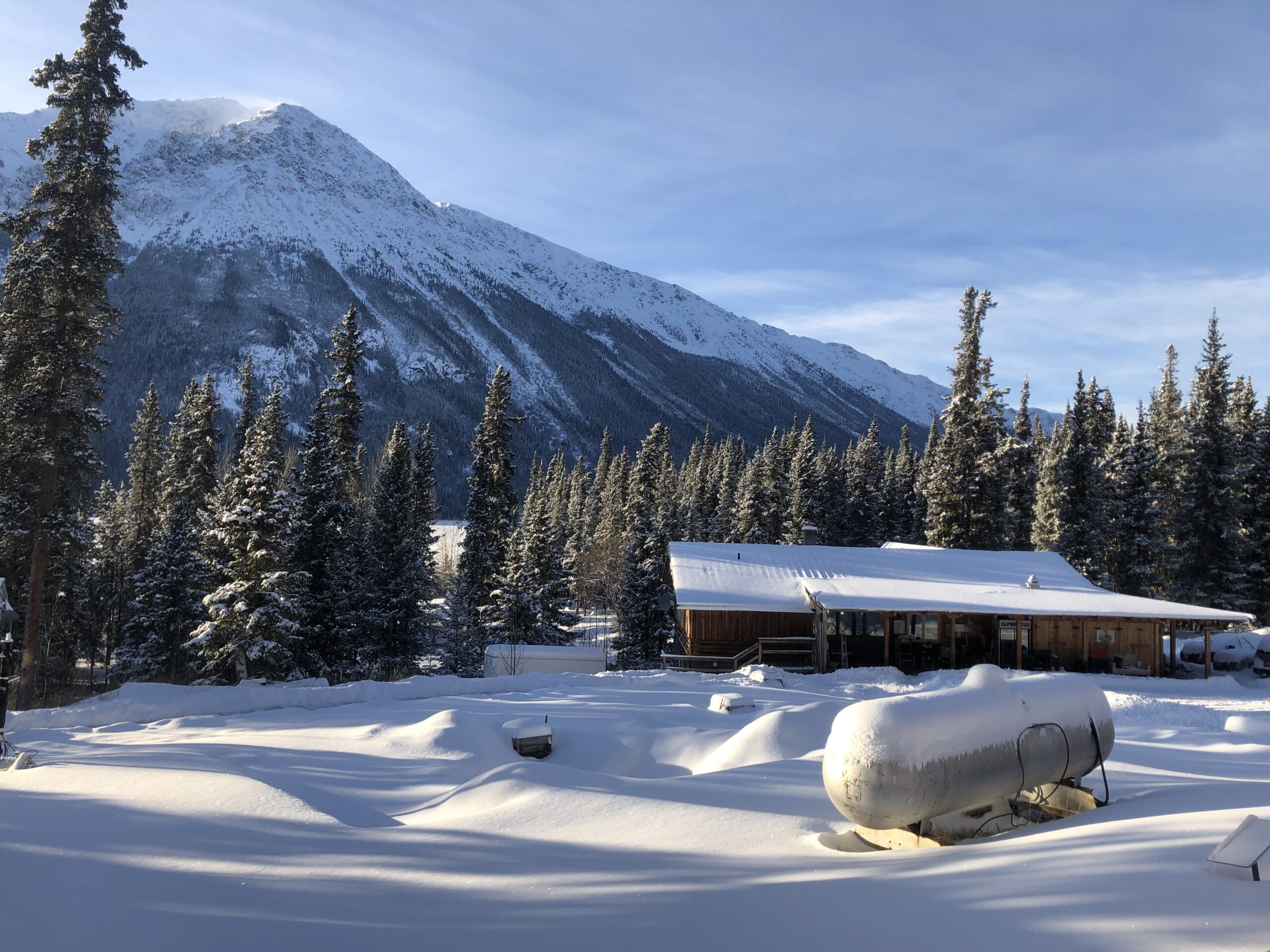
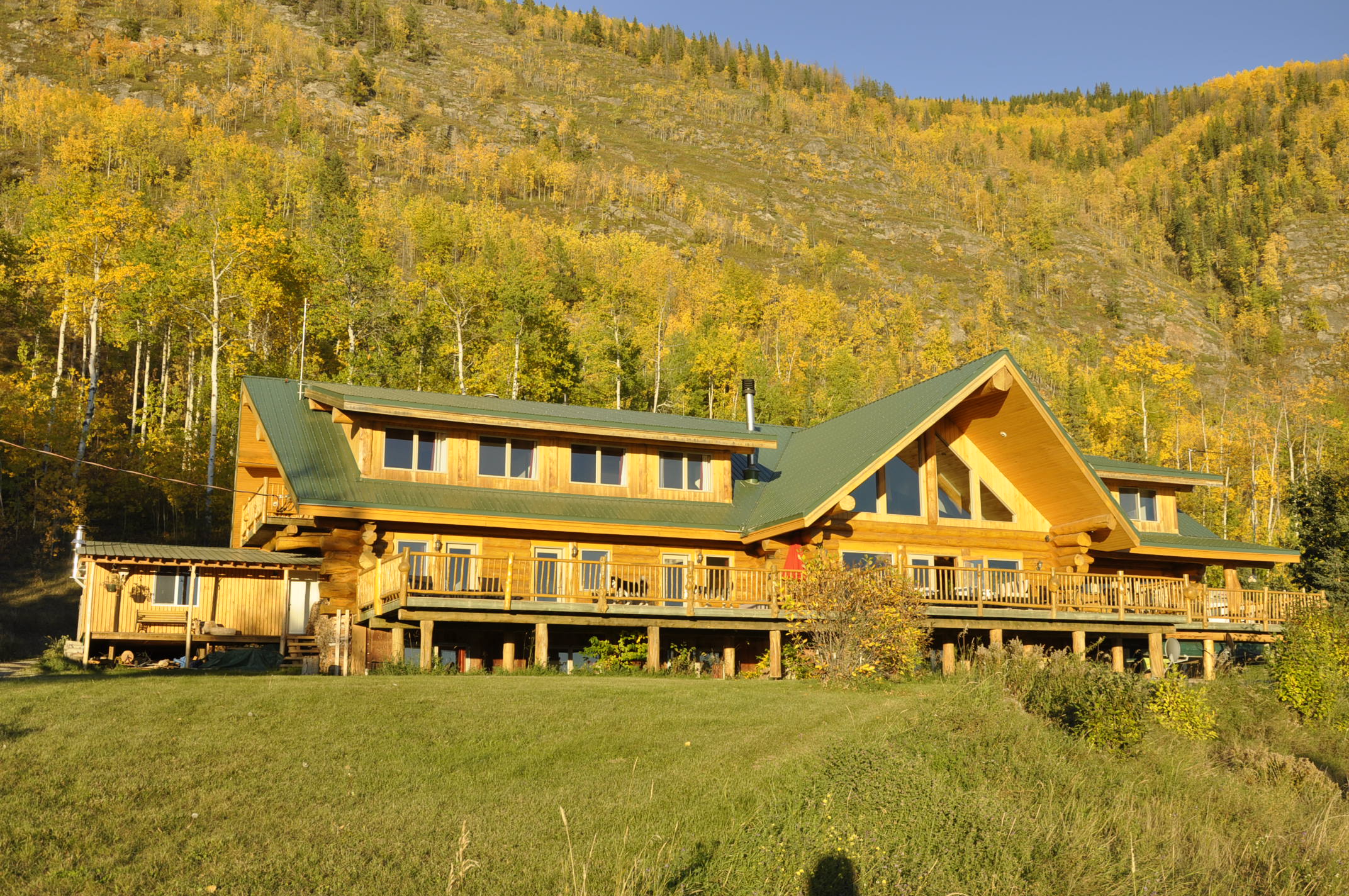
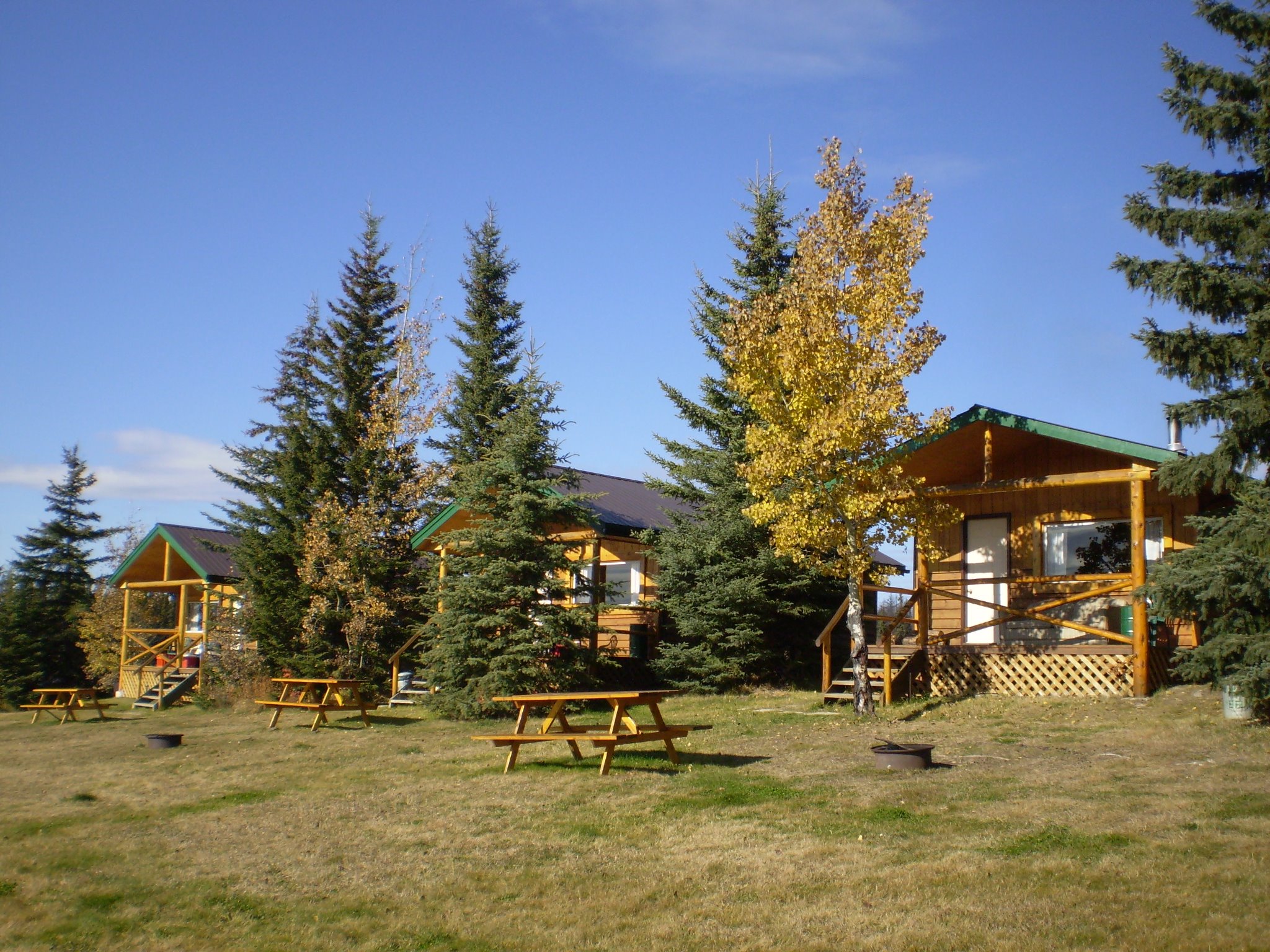
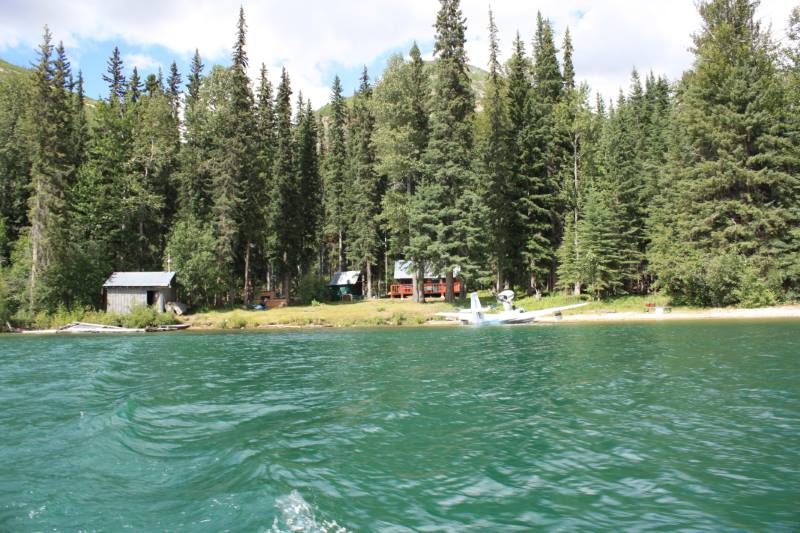
British Columbia produces fewer lodge and resort transactions per year than Ontario by volume, but the individual transaction complexity is higher — and the range of value drivers is broader — than in any other Canadian province. The BC market is not uniform in any sense: a coastal saltwater lodge near Port Hardy operates on an entirely different financial model than an interior lake fishing resort near Kamloops, a guide outfitter camp in the Cassiar, or a highway-front campground on the Cassiar Highway. What drives value differs materially not just by region but by product type.
The most distinctive BC value driver — one with no equivalent at the same scale in Ontario or the Prairie provinces — is the Guide Outfitter Certificate. Issued under BC's Wildlife Act, a certificate grants the exclusive commercial right to guide paying hunters within a defined territory. In Stone sheep, mountain goat, and trophy moose zones in Northern BC, a well-maintained certificate with a documented allocation and harvest history is a material going-concern asset in its own right — and must be valued separately from the underlying land and improvements in any competent appraisal of a BC guide outfitter property.
Gross Income Multipliers: What BC Lodge and Resort Transactions Actually Show
Gross income multipliers (GIM) on completed BC lodge and resort transactions range from approximately 2.00× at the low end to 6.00× at the high end. Coastal saltwater lodge operations with high expense ratios and short peak seasons — floatplane logistics, live-aboard vessel costs, guide staffing — trade toward the lower end of the GIM range, consistent with fly-in fishing lodge patterns elsewhere in Canada. Road-accessible or highway-front operations with diversified year-round revenue streams trade higher. Understanding where a specific BC property sits requires honest analysis of the actual revenue and expense structure — not a comparison to another seller's asking price.
The BC Buyer Pool and Marketing Period
The qualified buyer pool for BC lodge and resort properties is narrower than for general commercial real estate. For Northern BC guide outfitter and wilderness lodge properties, buyers are typically individuals or families from Alberta or the Pacific Northwest US with direct experience in wilderness hunting or fishing who understand the operational demands. For coastal lodges, the buyer profile often includes US Pacific coast operators familiar with saltwater charter operations. For interior and Kootenay resort properties, BC and Alberta domestic buyers dominate. Expect 12–24 months to find the right buyer for a well-priced, viable asset. Overpriced properties — particularly those where the asking price cannot be supported by an income approach analysis — routinely sit for 36+ months.
What Drives Value in BC Lodge & Resort Properties
📜Guide Outfitter Certificate & Territory Quality
🐟Species Quality — Stone Sheep, Pacific Salmon, Steelhead
📋Crown Tenure Security (BC Land Act / Wildlife Act)
🏔️Access Type — Highway, Boat-In, or Fly-In
📅Season Length & Revenue Diversification
🌲Park Use Permit Status (BC Parks-Adjacent Lodges)
💰EBITDA Margin & Documented Revenue Track Record
🇨🇦Alberta & Pacific NW US Guest Base Documentation
$375K – $4.9M
Active BC Listing Price Range (CAD)
Current BC inventory spans entry-level fly-in wilderness lodges to premier guide outfitter operations with established Crown tenure and territorial allocation.
10% – 15%
BC Wilderness Lodge Cap Rate Range
Reflecting remoteness, tenure risk, seasonality, and the narrow buyer pool for specialty wilderness assets. Coastal saltwater lodges with premium ADR trade toward the lower end.
2.0× – 6.0×
Gross Income Multiplier Range — BC
Operations with lower expense ratios and diversified year-round revenue trade at higher multiples. Remote fly-in and coastal operations with high cost structures trade lower.
94%
Crown Land in British Columbia
Virtually every remote BC lodge operates under Crown tenure. Tenure type, security, and remaining term are among the most critical value factors in any BC lodge transaction.
12–24 Months
Typical BC Lodge Marketing Period
The qualified buyer pool for BC wilderness lodge and guide outfitter assets is narrow. Accurately priced properties with documented revenue consistently outperform on time-to-sale.
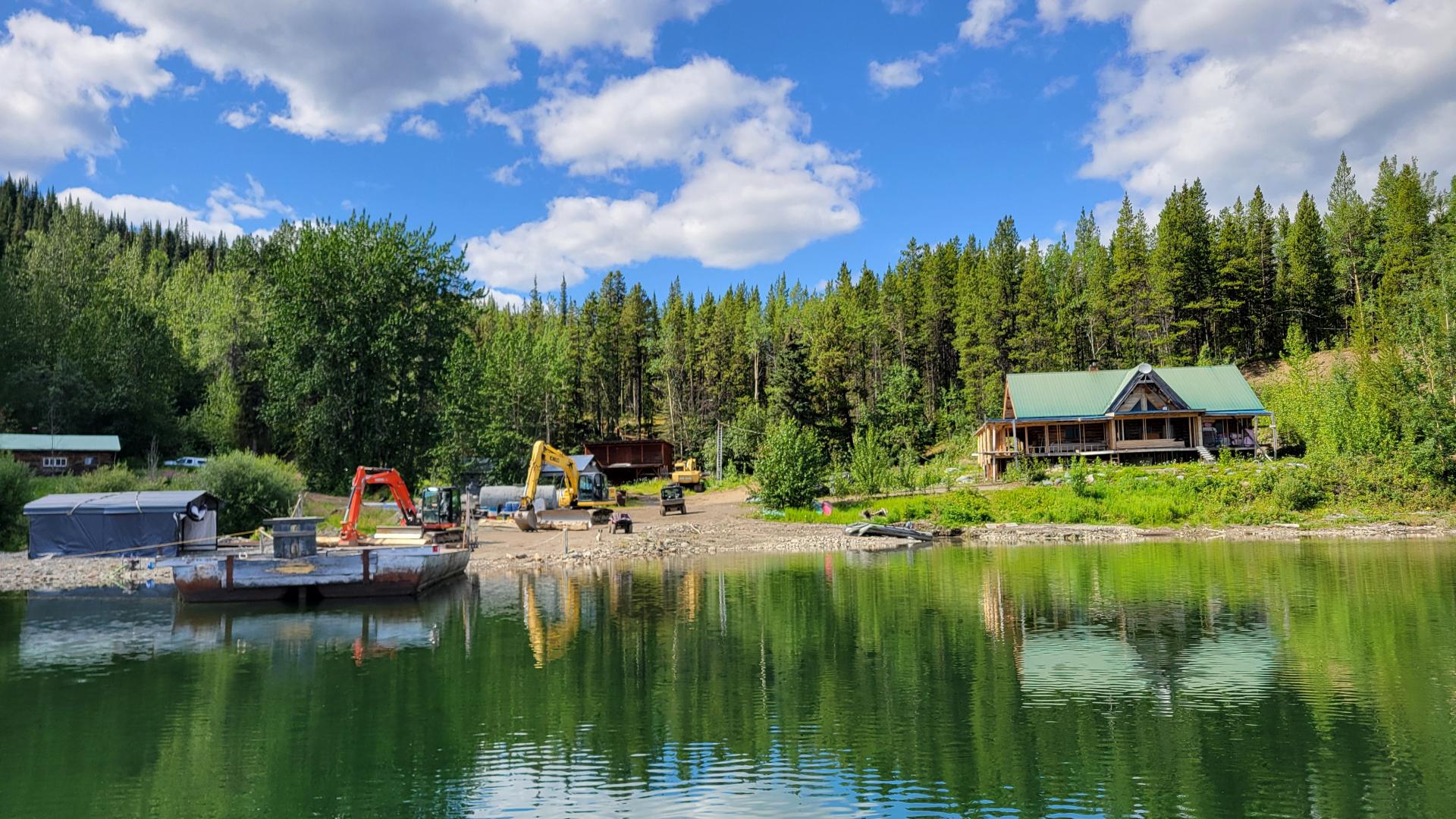 Northern BCBoat-In