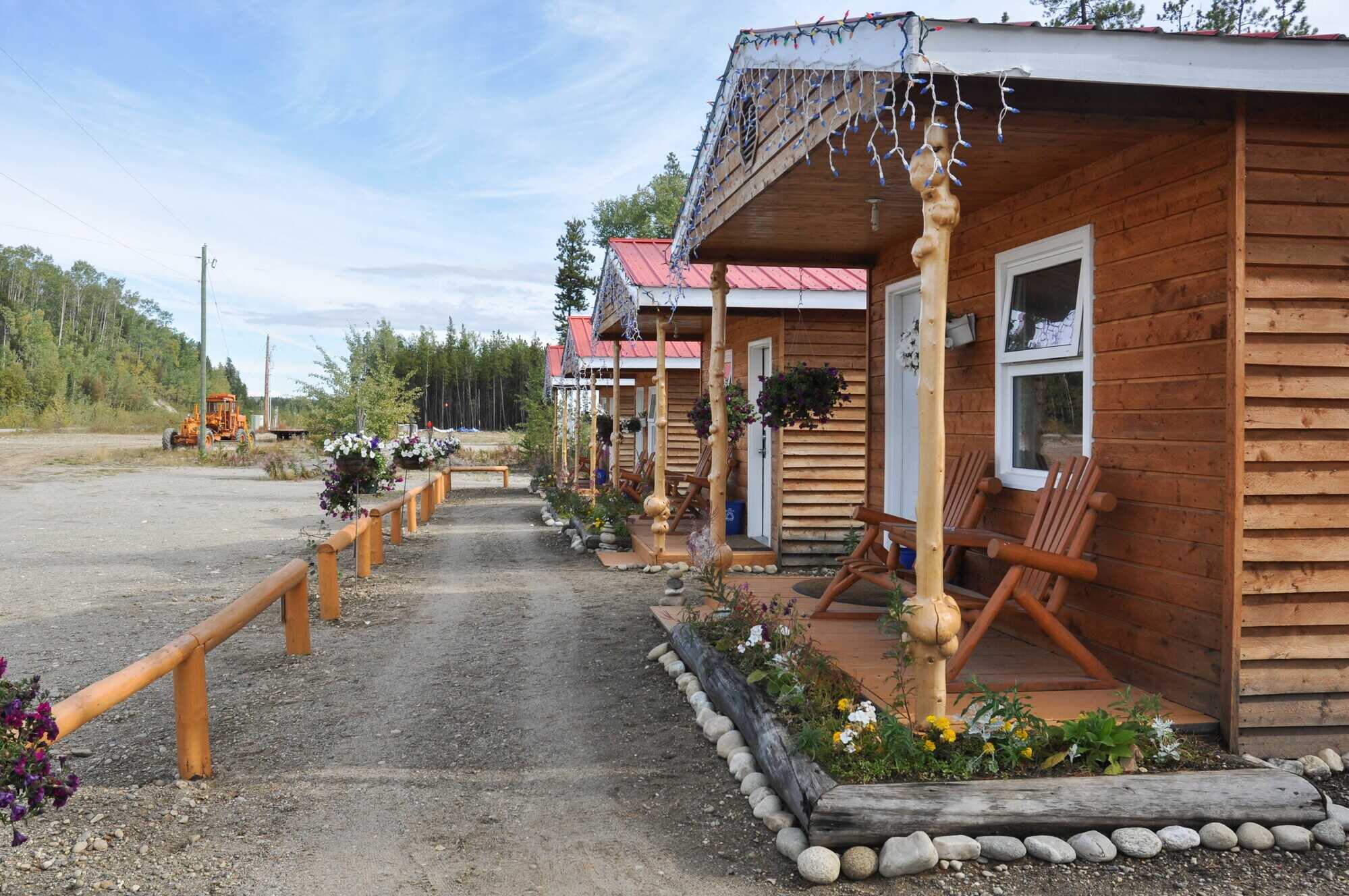
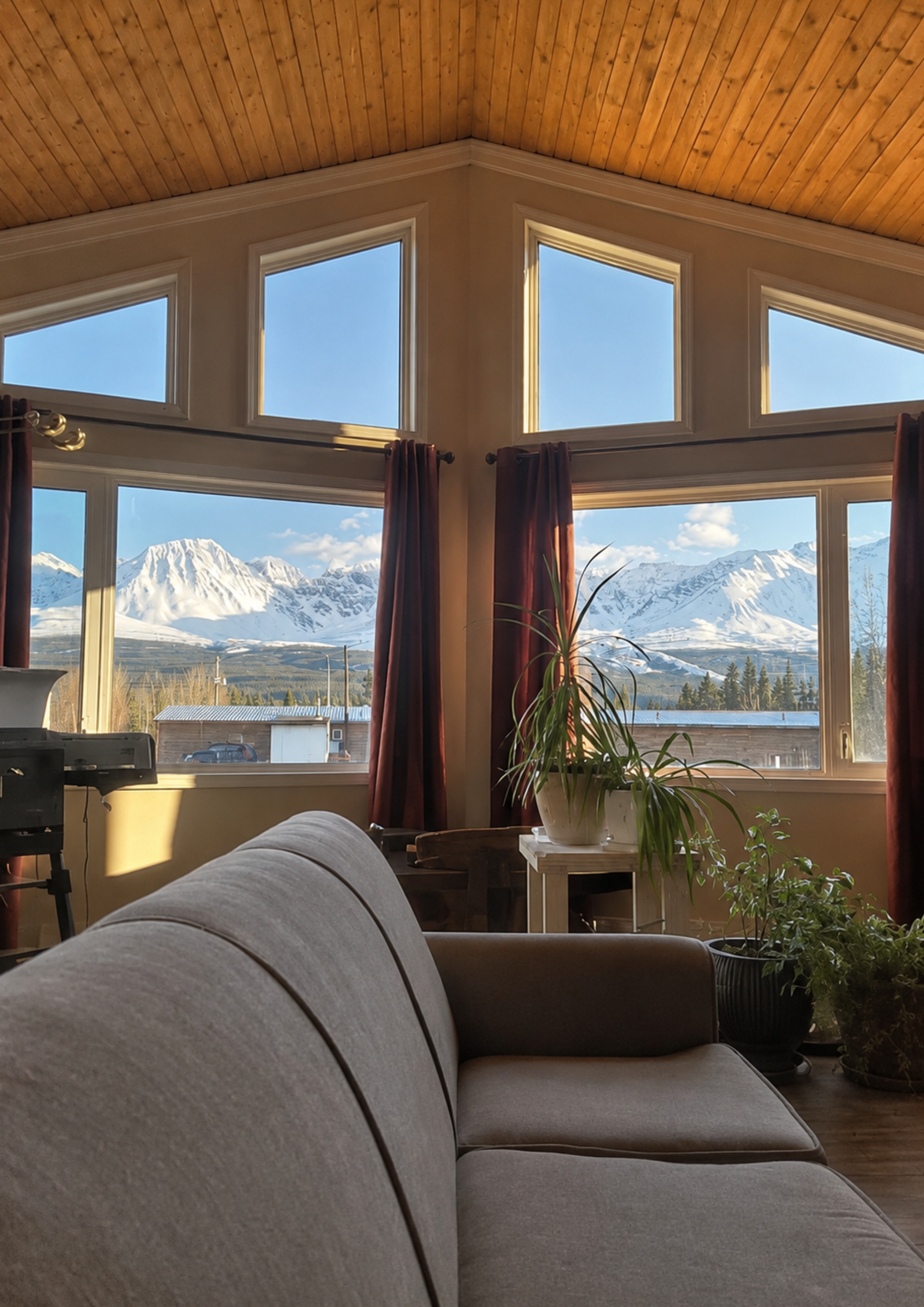
Tourism in the Yukon has not merely recovered from the pandemic — it has emerged stronger. In 2024, the territory welcomed an estimated 574,000 visitors, up 5.7% from the 2019 record, while total visitor spending hit an all-time high, 41.3% above 2019. Border crossings into the territory were within 1% of their all-time peak. Resident sentiment backs this up: in the most recent survey, 91% of Yukoners agreed that tourism is good for the territory, and visitors themselves report a Net Promoter Score of 87%, with 72% saying they intend to return.
Why No New Remote Lodge Has Been Built Since the 1980s
Wilderness tourism has a century-long history in the Yukon, tracing back to the mountaineering and big game hunting expeditions of the 1890s. Most of the territory's existing remote lodges were established in the 1970s, during the last real wave of northern tourism infrastructure development. Growth in this specific asset class — sport fishing lodges and remote wilderness camps — has been limited since the mid-1980s, when the federal government stopped considering new applications for remote lodge sites. As of the Yukon's 2022 Sustainable Tourism Annual Report, the territory still lacks a formal commercial wilderness land tenure policy; a new Yukon Public Lands Act intended to address this gap remains years from completion. For a buyer, that means an existing, properly tenured lodge site is not a commodity a competitor can simply build next door — it is one of a genuinely fixed number of sites in the territory, and that scarcity belongs in any conversation about value.
Fly-In Access & Outfitter Certificates Define the High End of the Market
In 2004, 81 licensed wilderness tourism operators guided roughly 35,000 clients across the territory, with 65 of those operators based in the Yukon itself. Motorboat day tours on the Yukon River out of Whitehorse and Dawson City accounted for about half of all guided clients, while canoeing, rafting, and sport fishing lodges rounded out the sector. Unlike drive-in-dominant provincial markets, the Yukon's most valuable remote lodge and outfitter camp assets skew toward fly-in and float-plane access — and many hunting camp operations carry a Yukon Wildlife Act outfitter certificate, a transferable-with-approval right to guide big game hunts within a defined territory. In many going-concern appraisals, that certificate is worth more than the physical lodge itself.
What Drives Value in Yukon Lodge & Outfitter Camp Properties
🏔️Outfitter Certificate & Guiding Territory Value
✈️Fly-In Access & Remote Site Positioning
📜Yukon Land Act / Commissioner's Land Tenure
🤝First Nations Settlement Land Considerations
🦌Big Game Species Mix & Fishery Quality
🛖Scarcity — No New Remote Sites Since 1985
☀️Compressed Season & Shoulder-Season Revenue
💰EBITDA & Documented Operating History
$284.6M
Total Visitor Spend in the Yukon (2022–23, Packages Excluded)
Accommodation alone accounted for $80.1 million of that total — the single clearest indicator of how much room the Yukon's lodging sector still has to capture.
574,000
Visitors to the Yukon in 2024 — Up 5.7% From 2019
Overall visitor spending was 41.3% higher than 2019, and airport arrivals were 8.7% above their previous all-time high.
86.1%
Peak Hotel Occupancy — August 2024
Occupancy fell to 40.3% by December — a seasonality swing that makes shoulder- and winter-season revenue a genuine value driver for Yukon operators.
1985
Last Year New Remote Lodge Site Applications Were Accepted
The federal government stopped considering new applications for remote lodge sites in the mid-1980s — existing sites are a fixed, non-replicable asset class.
87%
Visitor Net Promoter Score
72% of visitors intend to return, and 91% of Yukoners agree that tourism is good for the territory — strong demand fundamentals for any lodge buyer.
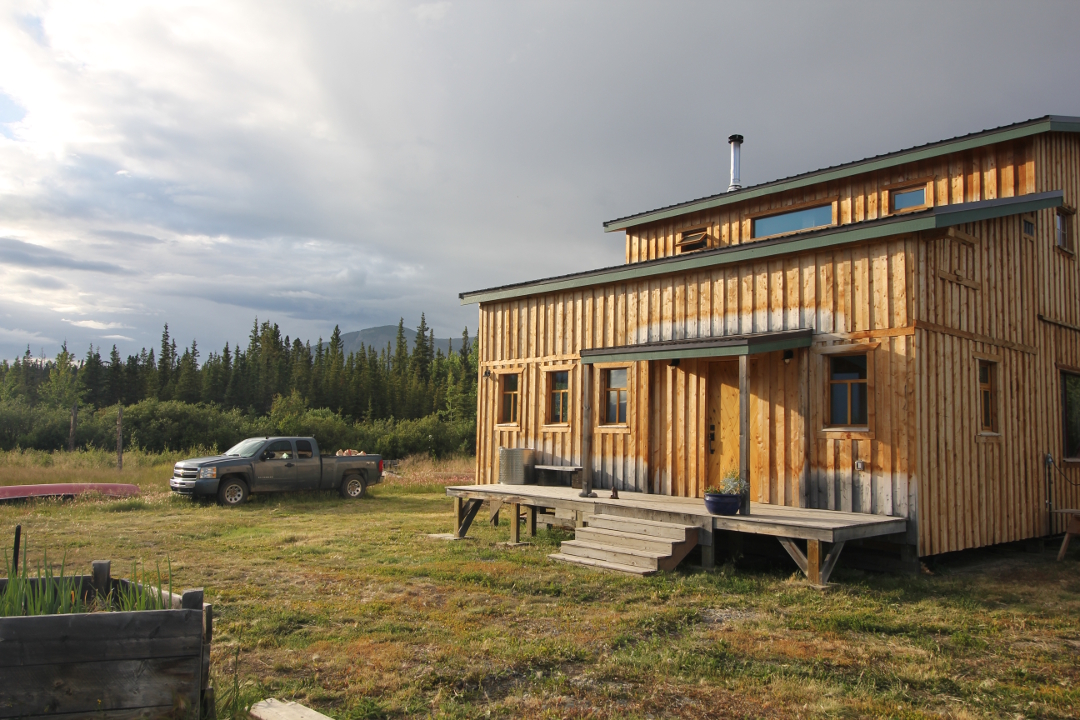 Kluane & SWDrive-In