Alaska's lodge market is built around remote fishing and hunting: fly-in salmon and trout lodges in Bristol Bay and Southwest, road-access fishing lodges on the Kenai, saltwater lodges in Southeast, and guided hunting operations across the state. Two things shape almost every deal: most of Alaska is public land, and guided hunting runs through a state licensing system tied to defined guide use areas.
Record visitation, but lodges depend on independent travellers
Alaska recorded a record 3,079,200 visitors from May 2024 to April 2025, up 1.1%. Most of that growth came from cruise passengers, up 3.8%, while independent travellers, the guests most fishing and hunting lodges rely on, fell 2.5%. Summer 2025 was essentially flat. Buyers should look at a lodge's own booking history rather than statewide visitor totals.
Private land is scarce
About 60% of Alaska is federal land, the state holds about 105 million acres, and Native corporations will receive about 46 million acres, or 12% of the state. Other private and municipal land totals only about 1%. A lodge on fee-simple private land holds a genuinely scarce asset, while lodges and camps on public or Native corporation land depend on leases and permits that need careful review.
Guided hunting runs on guide use areas
Nonresidents can't hunt brown or grizzly bear, mountain goat or sheep in Alaska unless accompanied by a licensed guide or a close resident relative, and nonresident aliens need a licensed guide for any big game. Guides work within Guide Use Areas: each of the state's 26 Game Management Units is divided into GUAs, and a registered guide-outfitter can register in no more than three a year. On federal refuges, guide permits are awarded through competitive prospectus. A guide business's value rests on those registrations and permits, which don't simply transfer with the lodge.
Rules are changing on state land
Legislation before the Alaska Legislature would create big game guide concession areas on state land, with permits awarded competitively and a limit of three concession permits per guide. Buyers of hunting operations should watch where this lands and what it means for the areas a business depends on.
What Alaska lodges sell for
Across Canadian lodge and resort sales, gross revenue multipliers run from about 2.0× to 6.0×, and remote Alaska lodges follow the same logic. High-cost fly-in operations with short seasons sit at the low end; lodges on private land with strong repeat clientele and secure guiding or permit rights trade higher. Alaska-specific sale data is thin on this platform, so lean on the business's actual numbers and a local appraisal.
What drives value in Alaska lodge properties
- Fee-simple private land vs. leased land
- Guide use area registrations & permits
- Federal special use or concession permits
- Fishery: salmon, trout, halibut
- Air access & charter logistics
- Repeat independent clientele
- EBITDA margin & documented revenue history
- Season length & shoulder-season revenue
3.08MAlaska visitors, May 2024 – April 2025A record, up 1.1%, driven by cruise growth. Independent travellers fell 2.5%.
~1%Of Alaska in non-Native private ownershipAbout 60% is federal land and roughly 12% will be Native corporation land.
3 GUAsMaximum per registered guide-outfitterEach of Alaska's 26 Game Management Units is divided into Guide Use Areas.
2.0× – 6.0×Gross revenue multiplier rangeCanada-wide lodge and resort sales, depending on tenure, access, margins and season length.
87% – 97%Most common sale-to-ask ratioAcross a Canada-wide sample of 100 lodge and resort sales. Nearly half sold below 87% of asking price.
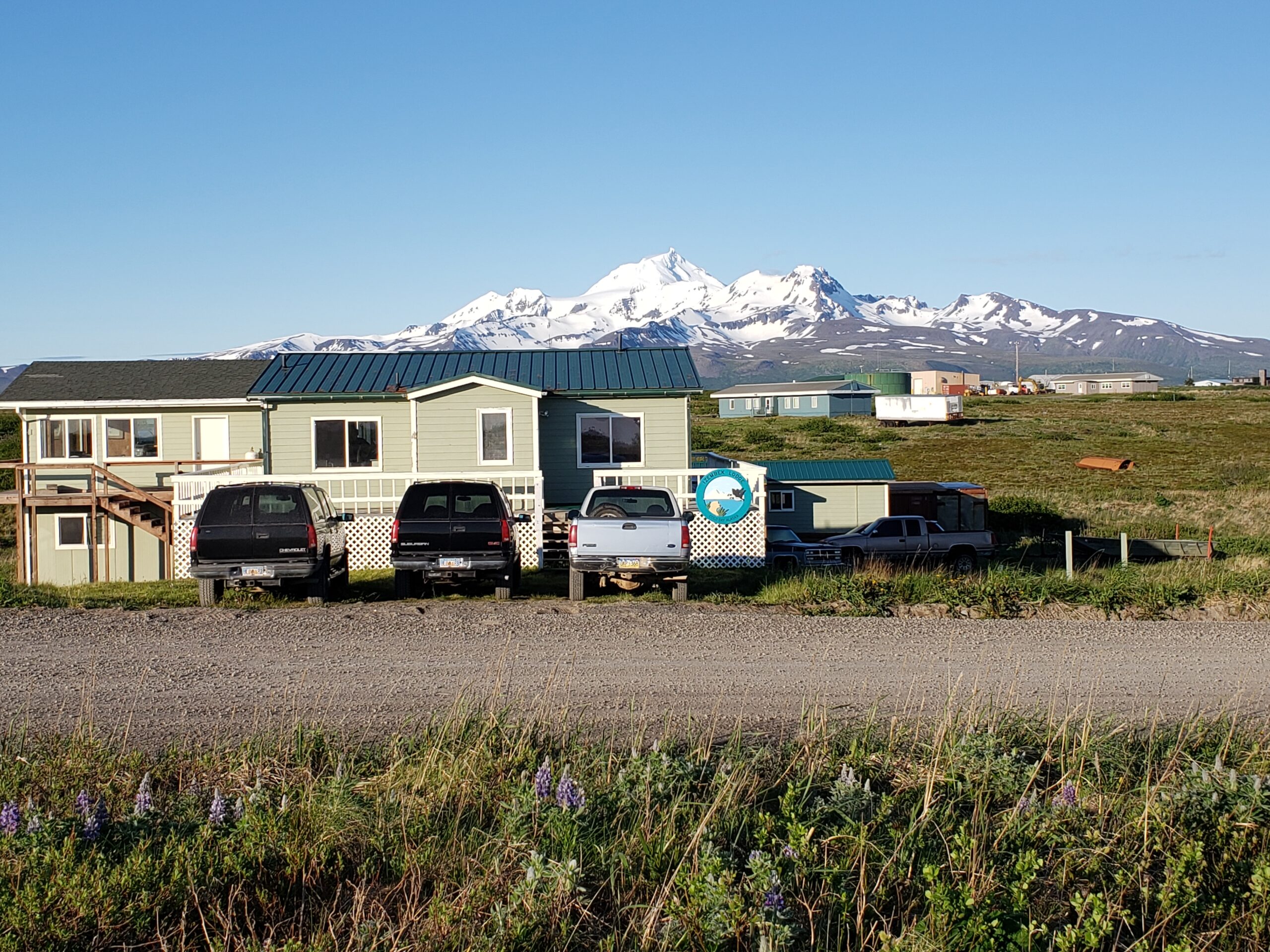 Alaska PeninsulaFly-in