I appraise several fly-in fishing lodges every year. Every so often a sale teaches a lesson worth sharing.
A fly-in lodge in northern Canada sold recently as a share sale for $1.2 million. The number itself isn't the interesting part. The multiplier behind it is.
The Lodge
The lodge sits on a remote northern lake, reachable only by floatplane — no road, no winter road. Guests fly into a regional hub, then take roughly an hour-long charter flight in. For this category of lodge, that's the norm, not a drawback.
The land is held under a renewable Crown lease, not deeded title, which is typical for lodges of this type. You're not buying dirt. You're buying the right to operate on it, plus everything built on top of it.
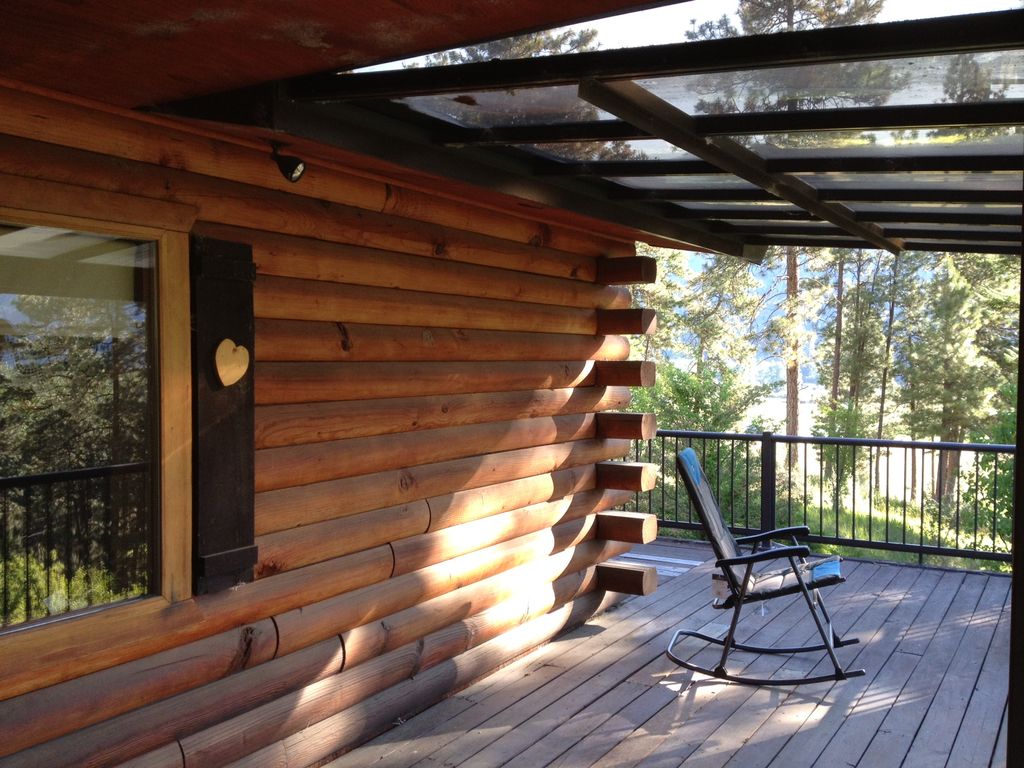
On site: a main lodge with kitchen and dining space, 9 guest cabins, 5 staff cabins, a shower house, and several outbuildings for storage and maintenance, along with docking infrastructure built for floatplane traffic. Condition across the buildings is average — well-maintained and functional, no major deferred maintenance, but nothing showy.
The fishery is the real draw. Cold, deep, trophy-class water known for big lake trout and big northern pike — the two species that drive demand across the northern lodge sector. The chattels included roughly a dozen boats and outboard motors, full cabin furnishings, tools, grounds equipment, and office gear — a standard turnkey package.
The Numbers
Stabilized annual revenue: roughly $875,000.
EBITDA: roughly 20% of revenue, or about $175,000.
Comparable operating statements I track for similar fly-in and boat-in lodges typically show EBITDA running 19% to 42% of revenue, averaging around 27%. At 20%, this lodge sat essentially at the floor of that range — not a bad margin, but about as thin as this category gets.
What the GRM Actually Reflects
One way to estimate market value for a wilderness lodge is the Gross Revenue Multiplier (GRM) Approach for going-concern lodge sales — sale price divided by trailing gross revenue. It's the standard shortcut in this niche because verifying a privately-run lodge's expenses is often difficult, while revenue is usually easier to confirm.
Compare that to recent comparable lodge transactions, where GRMs have ranged from roughly 1.3x to 3.7x, averaging close to 2.5x.
This lodge landed near the bottom of that range too — which makes sense once you connect it to the margin. A buyer paying $1.2 million for a lodge generating $875,000 a year and $175,000 in EBITDA is underwriting roughly a 6.9-year payback on EBITDA. That's a long payback for the risk involved, and a thin margin only stretches it further: less cash flow cushion if a season runs short, if fuel costs spike, if a charter contract gets renegotiated.
But margin doesn't tell the whole story here, because the lodge's revenue scale matters too. A smaller lodge doing $350,000 in revenue at this same 20% margin might still sell for a multiple north of 2x, simply because the absolute dollars and absolute risk are smaller. Buyers tend to pay a richer multiple for a smaller, simpler operation and a thinner one for a larger, more complex business — more revenue usually means more staff, more logistics, more moving parts, and more exposure if things go sideways.
The Takeaway
If your EBITDA margin sits near the bottom of the range for your category — call it under 20-22% for a fly-in or boat-in fishing lodge — expect that to weigh on the Gross Revenue Multiplier a buyer is willing to pay, no matter how strong your top-line revenue looks.
Revenue gets you noticed. Margin gets you paid. A buyer underwriting this deal isn't pricing your bookings; they're pricing what's left after fuel, freight, staff, and the rest of the operating costs come off the top. Thin that number out and you've thinned out the multiple too.
If you're planning a future sale, don't wait until the appraisal to find out where your margin sits relative to the comp set. Tightening freight contracts, right-sizing seasonal staffing, and trimming logistics costs before you list won't just pad this year's numbers — they directly expand the multiple a buyer will pay on every dollar of revenue you bring in.