Special Interest Purchasers in the Fishing & Hunting Lodge and Resort Industry
Special Interest Purchasers in the Fishing & Hunting Lodge and Resort Industry It is the goal of any fishing &…
I recently completed a going-concern appraisal on one of the best-run lodges I've seen in a decade of appraising Canadian hospitality properties. The lodge stays anonymous. The formula doesn't.
I've appraised well over a hundred hospitality properties across Canada. Most are average. A handful are exceptional. This one is legitimately one of the best-run operations I've walked through — private island, boat-in access, seven modern guest cabins, all-inclusive pricing in US dollars, and a trophy fishery that draws serious American anglers year after year. What I found inside the financials is worth sharing.
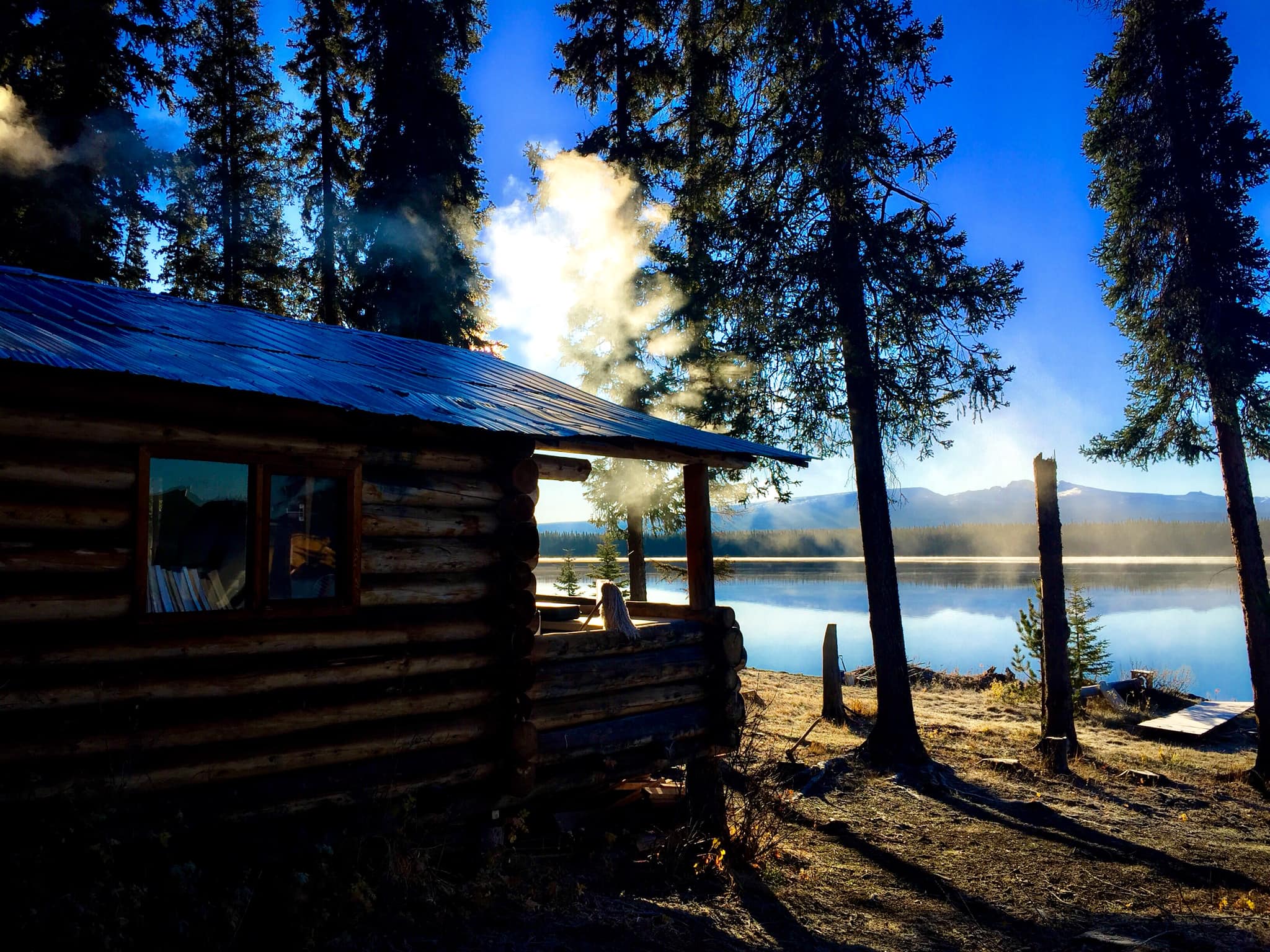
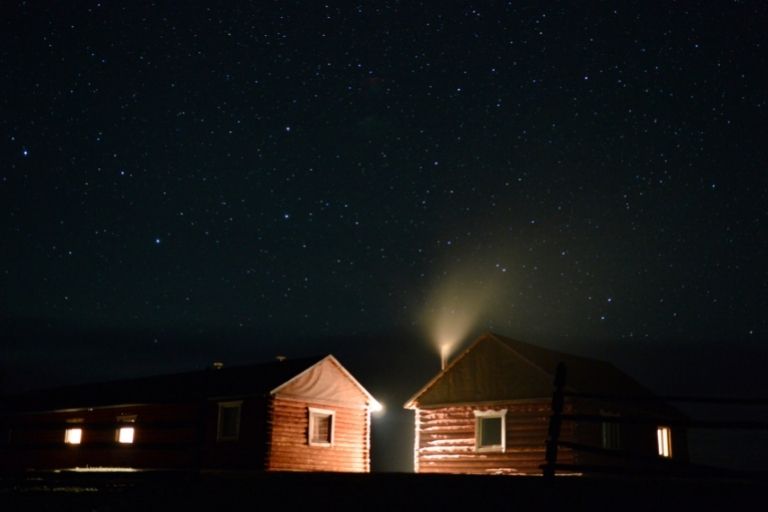
The lodge sits on a private island accessed via a short boat crossing from a road-accessible mainland landing site near a major US border corridor. The island compound: a main lodge built in 2012–2013 with a large vaulted dining room, commercial kitchen, and full bar; seven guest cabins with two to three bedrooms each, built and renovated between 2010 and 2021; six staff cabins; extensive docking infrastructure. Generator power, septic, filtered lake water.
The operation runs fully all-inclusive. Everything bundled: three meals daily, open bar, guided day, all fuel, all bait, shore lunch, dock service, fish cleaning. Guests pay in US dollars at USD $355–$395 per adult per night during peak season, $295 in shoulder. Average billing per paying guest: approximately $1,400 USD over a roughly 4.7-night stay. Non-refundable deposits required at booking.
This is not a rustic fishing camp. It's a premium product competing on quality — and priced to reflect it.
Revenue & EBITDA
2021–2024 + Stabilized
The 2021 figure reflects border closures — it tells you nothing about the business. The real story starts in 2022. Revenue grew 60% between 2022 and 2023. It grew again in 2024. The margin dip in 2024 is explained entirely by a large non-recurring repair bill — approximately $190,000 — the majority of which related to a new septic system expensed rather than capitalized. Strip it out and the margins hold in line with 2023.
Their own business plan projects revenue growing at roughly 3% annually, with EBITDA approaching $800,000 by 2030. That's a conservative forecast for an operation with a proven repeat-guest base and planned capacity expansion — including a new guest cabin in the works that would add meaningfully to the revenue ceiling.
These aren't accidental. Every one is a deliberate operating choice — and every one is learnable.
Not every lake is created equal. This one holds multiple trophy species, a documented history of record-class fish, and a fishery reputation that draws serious anglers back year after year. That's not something management built — it's what they bought into.
The resource is the foundation of everything. Without it, none of the rest of this formula applies. When I'm evaluating a lodge for a buyer, the quality and reputation of the underlying fishery is the first filter. Everything else is operational.
USD $355–$395 per adult per night, all-inclusive. Shoulder season at $295. Children in tiers — free under 6, $150/night ages 6–12, $225/night for teens. Non-refundable deposits at booking.
They're not competing on price. They're filtering for guests who value experience over rate — the kind who rebook before they leave and have been returning for years or decades. Non-refundable deposits reduce no-shows and give management a credible seasonal revenue forecast to staff and supply against.
Open bar. All the fuel you can burn. All bait. Shore lunch. One guided day. Dock service. Fish cleaning. Three meals daily — from hot breakfasts to prime rib dinners. Their stated mission: "to provide you with a guest experience that exceeds your expectations, giving you the maximum value."
That's not marketing copy. It's operational philosophy. When a guest leaves feeling like they got more than they paid for, they book again. When enough guests do that consistently, your occupancy is managed before the season opens — on repeat business rather than new acquisition.
All-inclusive also simplifies the P&L. No fuel surcharges, no per-item disputes, no upsell friction. The unit of sale is the guest night. Clean to manage, clean to model in an appraisal.
In 2024, this lodge spent approximately $10,000 on advertising and promotion — under 1% of $1.7 million in actual revenue. The comparable average across similar operations in my appraisal database is closer to 1.4%. Many lodges I work with spend 2–4%, often chasing guests they haven't yet earned organically.
This operation earns its coverage. It's been featured by regional tourism boards, profiled by fishing media, and reviewed by outdoor television personalities who return every year. That kind of editorial reach can't be bought — it can only be earned by building a product genuinely worth writing about.
The lesson: if your marketing budget is high, you're compensating for something your product isn't delivering.
This ownership group maintains a formal business plan with projections through 2030. They track paying guests, average nights per stay, average billing per guest, EBITDA margins, per-share valuation, and liquidity ratios. There is a general manager with a performance-based bonus structure. Tax loss carryforwards from the COVID years were strategically deployed to minimize early-stage tax burden during the recovery period.
Most lodge owners I appraise have QuickBooks and a gut feeling. This group has a financial operating model. That discipline shows up directly in the appraisal — clean, organized financials are easier to stabilize, easier to defend to lenders, and signal to any buyer that they're acquiring a professionally managed operation rather than a lifestyle project that happens to generate income.
The 2024 capital spending plan: approximately $500,000 CAD. New boats budgeted annually. New motors. Ongoing cabin improvements. Septic system. Fish dock rebuild. Lodge expansion. A new guest cabin planned — potentially a duplex or triplex configuration — that at current rates could add $150,000–$250,000+ in annual revenue.
There are two kinds of capital reinvestment: maintenance (protecting what you have) and growth (expanding what's possible). They're doing both simultaneously, tracked against a multi-year plan.
When I value a lodge, condition and remaining economic life matter. Lodges that reinvest consistently carry an effective age well below their chronological age. Despite structures built as early as 2010, the effective age I assigned this property was 10 years. That has a direct, positive impact on value.
All guest rates are denominated in US dollars. The overwhelming majority of operating expenses — wages, supplies, fuel, maintenance, insurance — are paid in Canadian dollars.
At a $1.36 CAD/USD exchange rate, $1 of USD guest revenue carries $1.36 in Canadian purchasing power against the cost base. For a lodge billing over $1 million USD annually, that structural advantage represents hundreds of thousands of dollars in additional real operating margin — before a single expense is reduced. It flows directly into EBITDA and through to the income approach valuation.
Not every lodge can access this. It requires an American guest base willing to transact in USD. For operations that have built that base, it's a material and compounding structural advantage — and it's fully reflected in stabilized income.
"The lodges that underperform on EBITDA almost always fail on one of these seven points — usually pricing, marketing, or capital allocation. This one isn't failing on any of them."
World-class resource + Premium all-inclusive product + USD billing
+ Earned marketing at near-zero cost + Disciplined capital reinvestment + Business-grade management
= $5,250,000 from seven cabins
Cap rates for comparable Canadian fishing lodge transactions in my database ranged from 10.00% to 15.00% at the time of this appraisal. I applied 14.0%.
Not because this is a below-average lodge. But at prices above $5 million, the pool of qualified buyers thins considerably. Lodge buyers are owner-operators, not institutions. When EBITDA climbs past a certain threshold, the cap rate moves upward because fewer buyers can execute the acquisition. The most recent comparable — a pending sale of a similar boat-in all-inclusive lodge — supported a rate at this level. Rising interest rates since early 2023 added further upward pressure.
The gross revenue multiple implied by the direct capitalization approach — 2.92× — was then reviewed against the GRMs of comparable lodge transactions (2.00 to 6.00, mean of 3.60). At 2.92×, it fell well within the indicated range, and exactly where you'd expect it to land: toward the lower-middle of the spectrum, consistent with a high-revenue, high-EBITDA ratio operation.
Both income approaches — direct capitalization and gross revenue multiplier — were reliable. When that happens, the conclusion is defensible. The sales comparison approach was used but remained inconclusive: properties at this performance level rarely trade publicly, and when they do, it's typically as a share sale with no accessible price. The income approach carried full weight in the reconciliation, as it should for a going-concern of this calibre.
Common Questions
Based on comparable lodge operating statements in my database, EBITDA margins typically range from 26% to 50% of gross revenue, with an average around 36%. All-inclusive operations with strong management and high revenue volume tend to achieve margins toward the upper end — economies of scale compress fixed costs as a percentage of revenue. The best-run properties I've appraised consistently operate above 40%. A CUSPAP-compliant AACI appraisal is the only defensible way to establish a stabilized EBITDA figure for financing, CRA, or sale purposes.
Recent transactions in my appraisal database show cap rates for Canadian fishing lodges ranging from approximately 10.00% to 15.00%, depending on location, revenue level, access type, and management quality. Higher-revenue properties often see rates at the upper end because the qualified buyer pool thins considerably above $4–5 million. Cap rates must always be derived from comparable arm's-length transactions — not applied as assumptions. See my notes on lodge valuation methodology for further detail.
Lodges billing guests in USD while paying most expenses in CAD carry a structural FX advantage. At a $1.36 CAD/USD exchange rate, a lodge earning $1M USD in guest revenue has $1.36M CAD in purchasing power against its cost base. This flows directly into stabilized EBITDA and through the income approach. For operations with strong American clientele, this is a material and compounding component of value.
Capital reinvestment directly affects both income (through expanded capacity and improved guest rates) and effective age. Lodges that reinvest consistently carry lower effective ages relative to their chronological age, which extends remaining economic life and supports value. In the income approach, a strong reinvestment history demonstrates operational sustainability — a factor that informs the capitalization rate applied. Consistent reinvestment is one of the most controllable drivers of long-term lodge value.
Canada's only AACI-designated appraiser working exclusively in lodge and resort real estate. Appraisal coverage across BC, Saskatchewan, Manitoba, Northwestern Ontario, NWT, Nunavut, and Yukon. All appraisals completed under CUSPAP. Learn more →